Pink Eye Season Starts Early in Hamilton County. Here's What Parents Need to Know
Hamilton County parents, take note: pink eye season is arriving ahead of schedule this year, and here's what you need to know to stay ahead of it.


Written by: Corey Alexander
Published on: August 19, 2026
Kids will soon be back in the classroom across Hamilton County, bringing the germs that travel with them.
Cold, COVID, and the flu get most of the attention this time of year, but pink eye deserves a spot on your radar too.
It spreads quickly through a classroom, and once one kid brings it home, it tends to move through siblings and parents just as fast.
What exactly is pink eye?
Pink eye, known medically as conjunctivitis, is inflammation of the thin tissue covering the white of the eye and the inside of the eyelid. It shows up as redness, tearing, itching or a crusty discharge, and some kids become sensitive to light along the way.
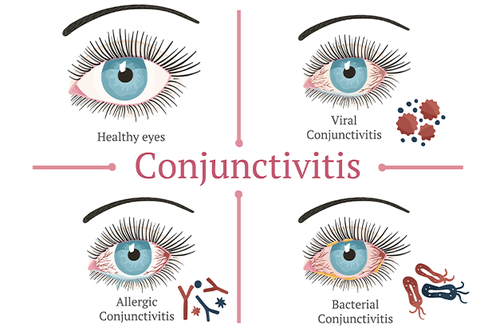
There are three main types:
- Viral accounts for the majority of cases and usually shows up alongside a cold or upper respiratory infection.
- Bacterial is more common in younger children and tends to bring thicker yellow or green discharge. Indiana health officials note bacterial conjunctivitis typically develops one to three days after exposure.
- Allergic comes from pollen, pet dander or other allergens. It's not contagious, but it's worth knowing that Indiana's ragweed season often overlaps with the first weeks of school, so allergic pink eye tends to spike right alongside the viral kind.
Viral and bacterial pink eye spread easily. Allergic conjunctivitis doesn't spread at all. If your child wakes up with eyelashes stuck together or a swollen, painful eye, it's time to get them looked at.
Why it moves so fast through Hamilton County classrooms
Elementary and middle schoolers share supplies, sit close together and touch their faces constantly, which makes classrooms an easy place for pink eye to travel.
A person can remain contagious for up to two weeks after symptoms start, which is why cases can spread to multiple classrooms within days.
A few habits help keep it from spreading through your own household:
Treating pink eye at home
Viral pink eye usually clears up on its own within one to two weeks. Bacterial pink eye typically improves within a few days once antibiotic drops start working.
In the meantime, wipe away discharge with a clean, cool washcloth and skip contact lenses until the eye is fully clear. Artificial tears can help with the dryness and inflammation that come along with it.
For allergic pink eye, over the counter allergy medication paired with a topical antihistamine or vasoconstrictor eye drop usually brings relief, which is especially handy during Hamilton County's late-summer ragweed stretch.
Most schools require parents to keep kids home until treatment has started and symptoms ease up, so it's worth calling your school nurse to confirm their specific policy before drop-off.
When it's time to see someone
Most pink eye cases are mild and manageable at home, but not always. If your child has eye pain, vision changes, swelling around the eye or symptoms that just won't quit, don't wait it out.
At Riverview Health Emergency Room & Urgent Care, our team will assess what's going on and get you the care you need, no appointment necessary. We have convenient locations across Hamilton County in Carmel, Fishers, and West Carmel/Zionsville, to serve you when you need us most.